Camp Catharsis
'Sleepaway Camp,' 'Leviticus,' and more dispatches from queer horror summer

Quick note: I’m migrating over to another platform soon. I think I would use this newsletter more if I didn’t have to think so much about the fraught nature of Substack. I’m currently trying out Beehiiv if you want to find me there, and I’m taking suggestions about other alternatives.
I’ve been thinking about queer horror a lot lately. I often am, but especially in the last couple of weeks. I think summer is a good season for horror because it’s a season where social norms kind of dissolve — and it’s particularly ripe for queer stories, in part because of Pride, and in part because so many of them (especially today, it feels like) have a coming-of-age element.
Recently, I waded into the eternal pit of discourse about Sleepaway Camp for the Nashville Scene. It’s a gnarly B-movie slasher with a “queer” component to the tune of Silence of the Lambs that has made some viewers recoil. But Harmony Colangelo identifies a subversive “avenging angel” in the form of teen killer Angela, and she and other critics see an inverse cautionary tale about forcing gender norms and not valuing queer families in the tragic backstory that leads Angela to move in with her kooky, twisted aunt. I’ve thought a lot about this movie and still don’t know quite what to make of it, but I find it and the discussions around it compelling.
It makes me think a lot about the way queer people consume horror. Namely, a specific way that comes up throughout It Came from the Closet, a queer horror criticism anthology I read a couple years ago: this sort of camp catharsis through zealous, ironic identification with narratives and characters designed to alienate and oppress. There’s something shrieking and primal that B-movies tap into, some fundamental absurdity that we’re always on the edge of that they allow us to give over to. Sometimes you just have to scream the way Angela does.
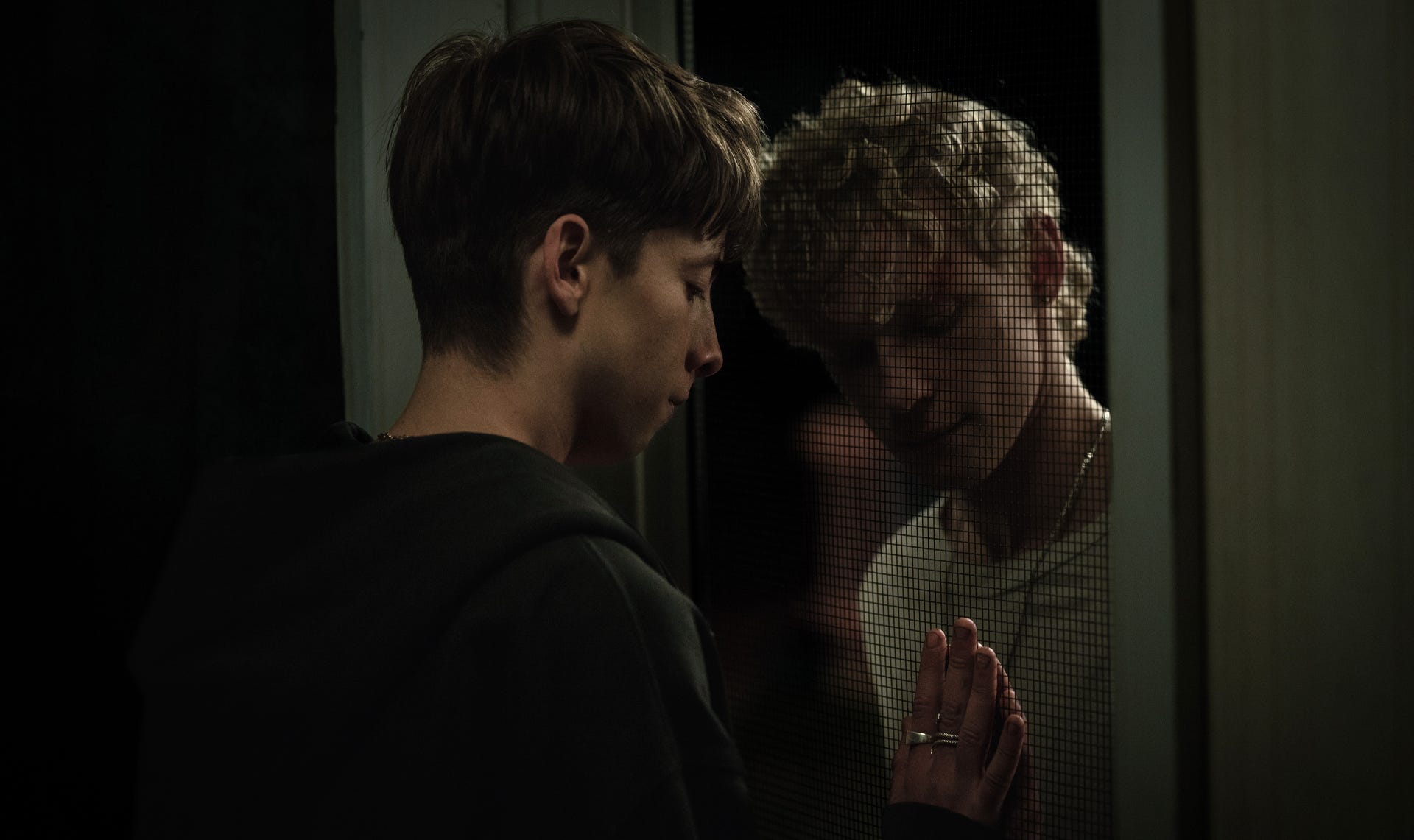
I thought about Sleepaway Camp some more after seeing Leviticus, the new queer horror from Adrian Chiarella. These two movies share a genre and some similar preoccupations, but beyond that, they could not be more different. Where Sleepaway Camp is heightened and technicolor, Leviticus works in the bleak, understated aesthetics of “elevated” horror. It follows (ha) two queer Australian teens in a nowhere town as they navigate their Hillsong-esque church and the demon it’s placed on them, which stalks them when they’re alone and tempts them in the form of each other before trying to kill them.
I feel really complicated about Leviticus. On the one hand, it’s very well-done, accomplishing a moving, effective sense of dread with a limited budget and striking performances from Joe Bird and Stacy Clausen. On the other, something about it unsettled me in a twofold, non-horror way.
The first is pretty simple: its primary message is commentary on the harm that religious hate does to queer children, but are the bigots who need to see that message going to go watch a movie about two teenage boys called Leviticus? In the Pop Culture Happy Hour episode about the movie, Glenn Weldon — an older gay man — adored the movie, while his younger queer cohost Reanna Cruz found it “defeatingly bleak.” I’ve seen takes from people who grew up in churches like the one in Leviticus and felt seen by it. Despite my God fascination, I didn’t really grow up in any church, and I did grow up under the rose-colored banner of liberal progress on LGBTQ+ acceptance. Maybe there’s a generational and experiential divide here.
But the other thing I’m wrestling with about Leviticus is this: as a function of the story it’s telling, you watch queer teens get brutalized, over and over. When they’re alone together and intimate with each other, you’re afraid for them. Watching it felt like I was being Pavloved into fearing queer desire, like the church in the movie was reaching through the screen Ring-style and exacting its will on the audience. This may very well have been intentional. I’m no prude when it comes to horror gore, and there’s room within that for symbolic commentary through the queer body. But is there something a little... covetous in the way Leviticus depicts its characters’ suffering? Are we Saint Sebastian-ing or Hanya Yanagihara-ing Naim and Ryan — or, to build off of Cruz’ comparisons of the film to fanfic, All the Young Dudes-ing them — as we watch them get beat up and thrown around? Is that a bad thing?
What I find less thorny about Leviticus (and a bit more... I don’t know, new) is a parable that runs underneath it about protecting each other. There’s a case in this film about what happens when that doesn’t, and a very clear message about not facing a hostile world alone. I feel strangely protective of these characters, and I feel a bizarre need to surround them with people. I want to pick them up from the bus stop and move them into the ex-ex-gay safe house in But I’m a Cheerleader. I want to yell over the “Self Control” needle drop that they are not the only two gay boys in the world and there are more people out there who can help them be safe. I maybe want to send them a shrieking avenging angel.
I’ll say this: I have not stopped thinking about Leviticus in the days since I’ve seen it. It’s sparked big conversations between me and my friends about our relationships to the divine. We’re exchanging Ethel Cain edits and videos of custom-made Blythe dolls of the characters. I might rewatch it, and in the meantime, I cannot fucking wait to see Teenage Sex and Death at Camp Miasma. I’ve been reading Chuck Tingle’s Camp Damascus, which has a similar setup, but places a bit more emphasis on the redemptive power of chosen family. Maybe Naim and Ryan would find a home there, too.
What Else I’ve Been Up To
I had a great conversation with John Early about Maddie’s Secret, food porn and the burden of representation for the Nashville Scene
I wrote about Aldous Harding’s droll, dynamic album Train on the Island for FLOOD’s Best Albums of 2026 (So Far)
I also went around Nashville trying savory drinks for the Scene’s drinking issue. This was a really fun piece that also had me feeling like that bit in New Girl where Megan Fox makes an Old Fashioned and “California Stars” is playing dreamily behind her. I promise I don’t avoid fruity drinks in a “not like other girls” way! I avoid them because too much sugar with my alcohol makes me throw up!